Are all rosés from the famous Provence region in southern France? NO!!! They are from all over the world with varying styles. Rosés can be vastly different – some are sweet, some are off dry (aka slightly sweet), and others are totally dry (no perceived sweetness). So how do you know what you’re getting in the bottle? Does the color help? And what about where it’s from? And can you drink it with food or is it better on it’s own? This curiosity turned into a journey with several different bottles, a variety of food, a virtual tasting, and some research. I don’t review any specific wines in this post, but I’ll link to follow up posts with the tasting notes and deeper dives into each area since there is a whole lot to learn and love with pink wine. And I didn’t even get into the sparkling rosés…yet.
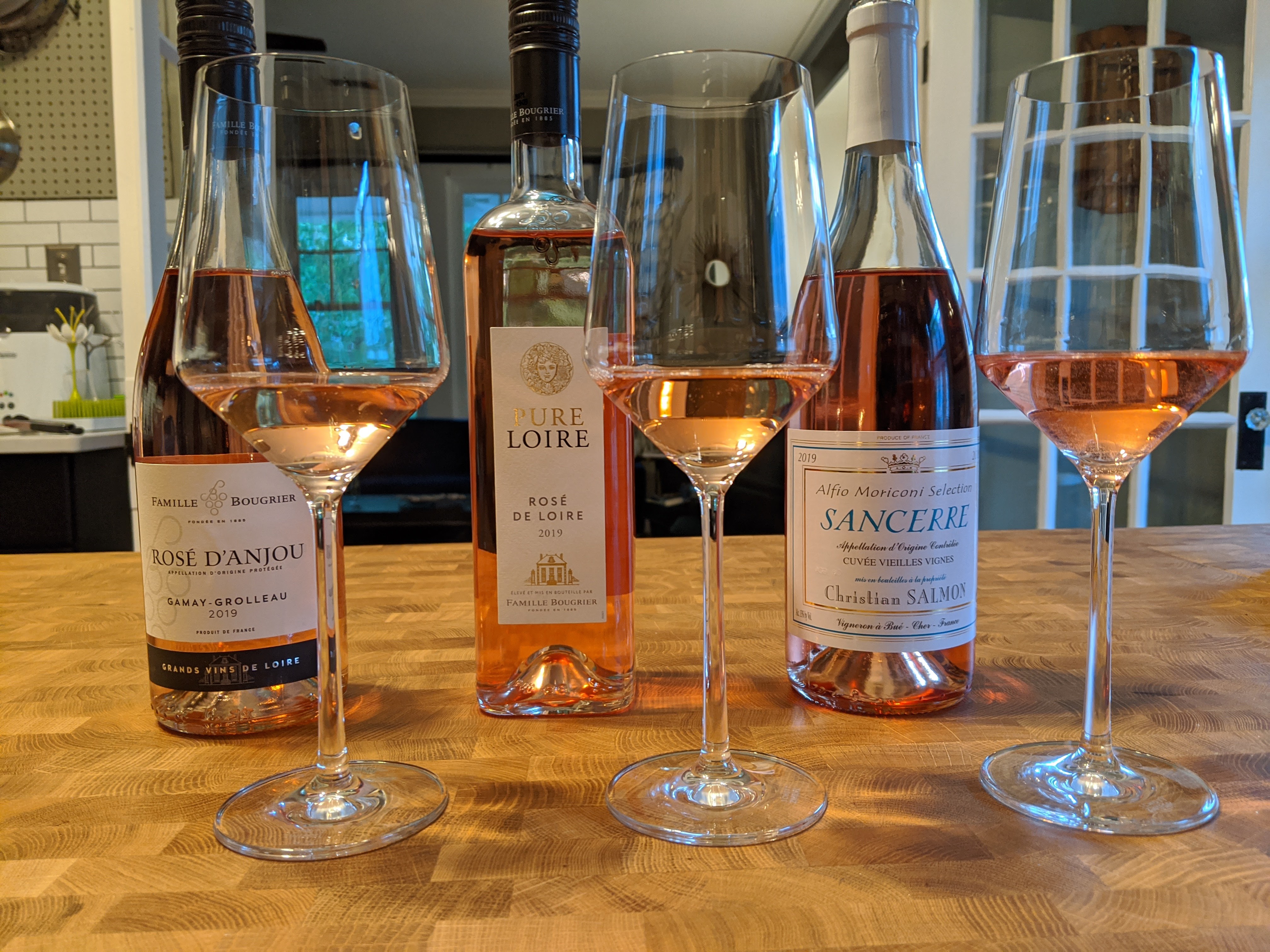
EFFECT OF COLOR Even though I’ve completed my Certified Specialist in Wine (CSW) and my WSET Level 1, as well as being a member of a few wine tasting groups, I haven’t seen a tasting sheet specific to rosé. I’m sure it exists somewhere, but instead of using someone else’s, I compiled the tasting notes from all of my rosés in this series to create my own tasting guide. Add a comment if you’d like me to send you a copy.
From my exploration of a dozen or so French rosés and a couple of US rosés, the colors range from Peach Pink, Ballet Slipper Pink, Coral Pink, and Deep Ruby Pink. Since this color chart is of my own invention, allow this brief description. The Peach Pink is so pale it’s almost a white wine. This is typical of rosés from Provence, or those made in that style. Ballet Slipper Pink is rosier than Peach Pink (and sounded better than Piggy Pink…oy). Coral Pink indicates a deeper hue with some orange to it, and Deep Ruby Pink is like a translucent red. In general, the shade of pink didn’t have a significant impact on the sweetness, acidity or flavors of the wines I tasted.
TASTING NOTES
- Strawberry, raspberry and citrus were present in nearly every wine; some carried notes of slate while others had marzipan and toast. I couldn’t find any references to oak influence to explain this (in this price point I seldom find notes on the winemaking process); however some portion of the blended wine may have been briefly oak aged or allowed to undergo malolactic fermentation to lend complexity. Many were off dry or completely dry, but only one would I consider medium sweet. It can be easy to confuse sweetness with fruitiness given all these strawberry and raspberry flavors, taste slowly and see if you can tell the difference.
- Rosés are often promoted as “porch pounders” or easy to sip with no food at all, and it’s true – you could absolutely sip any of these as an aperitif. Personally, when there is wine I often want to nibble something, but mostly I get excited about wine with a meal. All the wines had high acid, lending them naturally to pairing with food. I have searched for a wine that I like with salmon (typically I season with salt and pepper, then saute in coconut oil, which aren’t flavors I consider when pairing) and I am now very pleased that rosé is the answer.
- I wondered if a deeper hue would introduce tannins (as these are imparted from the grape skins) but of the wines I tasted, none had any tannin notes. I have read that rosés from Spain (called rosados) can display some tannins; these would generally have a darker hue as a result of the longer skin contact. Mostly the alcohol levels hovered around 12 or 13%, which is typical for Old World wines and also makes them great for food!
LOCATION There are not only rosés from Provence (which I have definitely had in the past) but there are some from the Rhône Valley (which I am obsessed with for their GSMs) and also the Loire Valley! Other areas known for value wines are Languedoc Rousillon and Pays D’Oc (one of my favorites came from here). If you know any of these names you’ll recognize I am somehow stuck in France (again). Admittedly I am partial to their wines since during my college study abroad, that is where I had wine for the first time. Now that I’ve launched in to this I realize that I am just scratching the surface of the many regions of France that produce rosés. For this series I also checked into a few US rosés to see if there were any significant differences in style…and of course, there were – classic Old World (lower alcohol, higher acid, focus on the flavors of the region) vs New World.
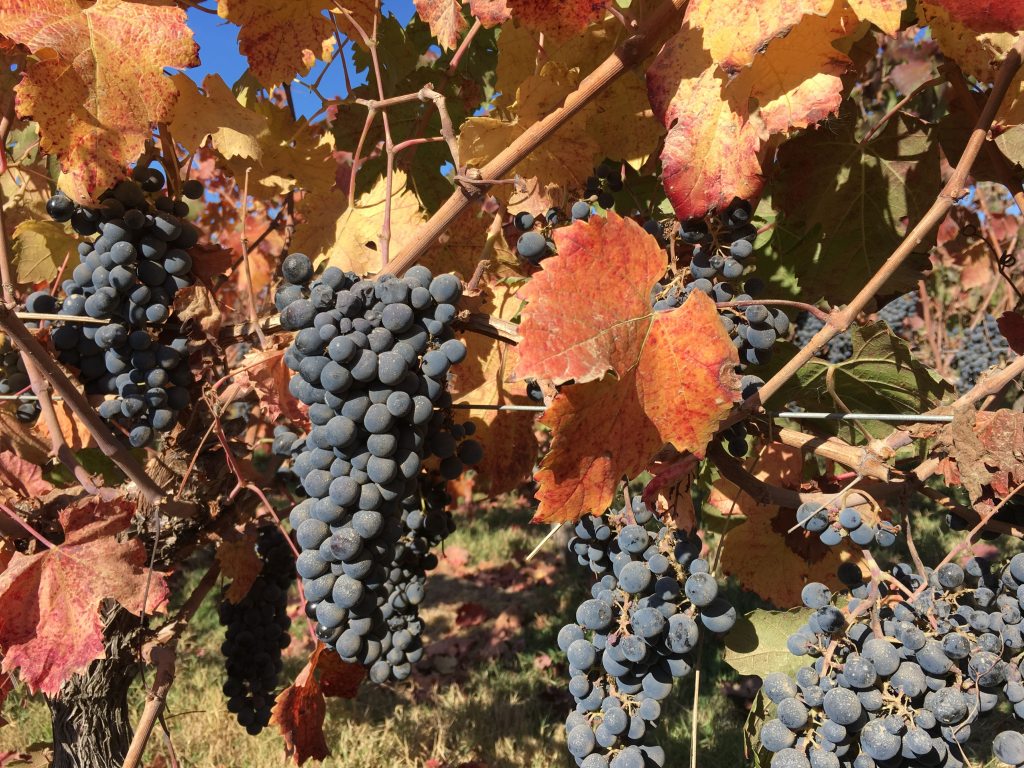
GRAPES While wines at this price point often do not list their grapes or percentages, several of the French bottles did. For rosé, Grenache is king, and often leads for most blends. Typically rosés from Provence are made from Grenache, Cinsault, Syrah, and Mourvedre. As you go north into the Rhône Valley you’ll see the classic Grenache, Syrah and Mourvedre again (as is expected in their famous GSM blends, called this for the first letter of these 3 grapes). Pinot Noir also surfaced in a few areas in the Loire Valley, Languedoc Rousillon, and also in the US.
WINEMAKING PROCESS There are a few methods to make rosé. The first method generally follows the fermentation process for a white wine, except the skins are allowed to remain in contact with the grapes until the desired color and flavors are imparted to the juice. The second method, called saignée (French for “bled”), produces both a red and a rosé wine. The winemaker streams off a share of the red wine during fermentation, allowing the must (grape juice and stuff) short contact time with the skins. Depending on who you ask, it’s inferior to the first method of creating only the rosé. In my opinion it doesn’t take away from the quality of red wine or the rosé, it’s just a different production method. I have not perceived much difference in wines made in these two formats, but I do think it’s an interesting question to pose at a tasting or to a wine maker if you have the opportunity. Perhaps harvest would occur at a different time depending on your method. Try some and form your own opinion. The third method, called direct press, is designed to achieve the lightest color for the wine (often seen in Provence) and the grapes are only briefly pressed with the skins before the juice is drawn off for fermentation. The resulting wine is also called vin gris (vah gree), which you may encounter on some labels.
AGING It would be unusual to age a rosé. Why? Let’s start with another question…why bother aging a wine at all? The main reason is that the taste of the wine will change (in a positive way) over time due to chemical changes in the wine. For example, a highly tannic wine will be astringent when young and may be unpleasant to drink alone or overpower food. If you age this wine, the tannin molecules will eventually bind together, becoming larger and creating a smoother mouthfeel and less astringency. Oak also imparts different flavors during aging. So if you had a tannic rosé aged in oak, then you may want to age it. But we’ve learned that due to the short contact time with grape skins there aren’t many tannins evident in a young rosé. Also, since most rosés are produced without oak aging, there aren’t any flavors to develop there. Hence, drink your rosé now for the best experience!
GLASSWARE So should you drink rosé from a red wine glass or a white wine glass? I have traditionally used white, since the wine is served chilled…it just made sense to me. But why not challenge that thought? For this series, I tried most of the wines in both a Pinot Noir glass (to really allow the fruitiness to shine) and a Sauvingon Blanc glass (since that’s the only white wine glass I own). I found that the red glass does display the red fruits much more, lending to a higher perceived sweetness in the rosés. The white glass emphasizes the citrus and the acid more, making it more…well, like a white! My takeaway – it depends on the meal I’m preparing or the characteristic I want to highlight as to which glass I’ll use, but in our house now it’s mostly Pinot Noir glasses for rosé.
I’ll update this post with links to more insights into the following regions:
- Provence
- Loire Valley
- Côtes du Rhône
- Langeudoc Rousillon/Pays D’Oc
- US
Cheers!
H
 CorkProf